Offices and business premises
Switches, routers, wireless access points and structured cabling connect workstations, printers and shared business devices.
Sprint Tech Manufacturing Inc.
Explore network hardware, structured cabling, racks, optical connectivity and communications equipment for your infrastructure requirements.
Managed switches, routers and wireless access points
Copper and fibre cables, patching and optical transceivers
Data cabinets, firewalls and network time servers
Explore the category

Fiber optic cables, termination accessories and HDPE fiber ducts.
Explore products02 / NETWORKS
IP telephony devices.
Explore products03 / NETWORKS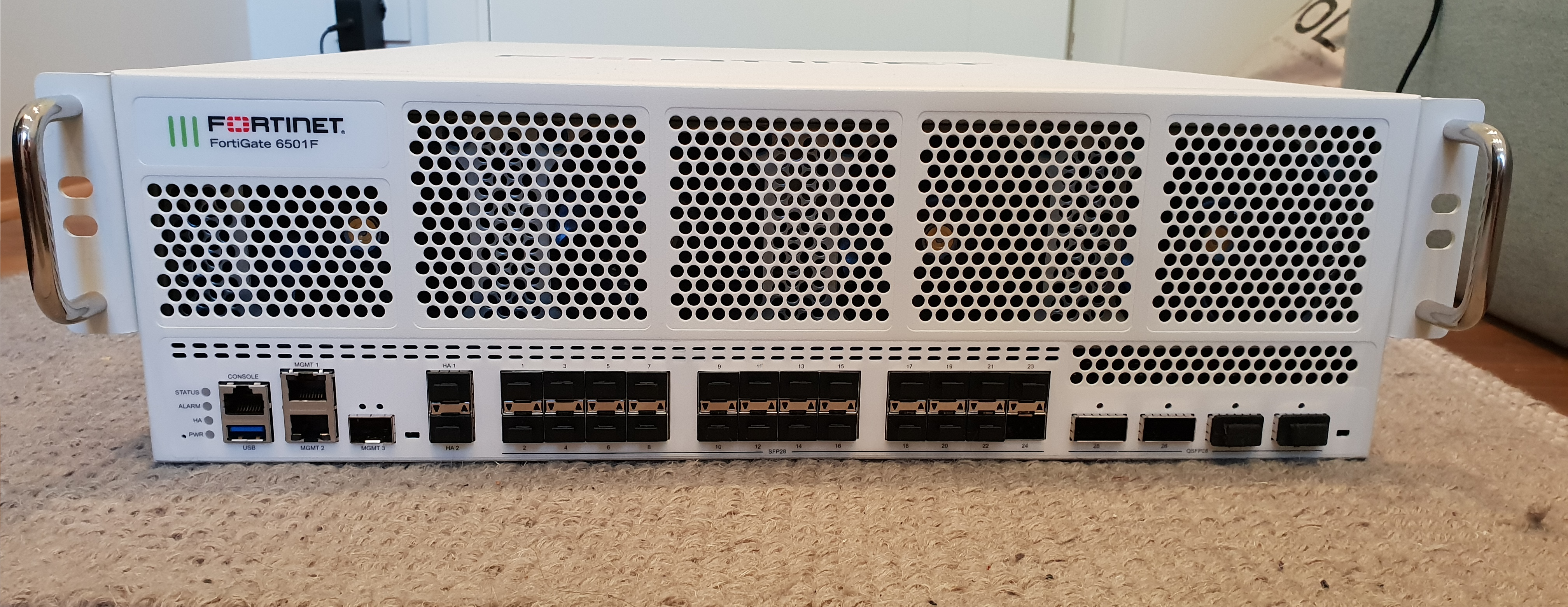
Security gateway and replication hardware.
Explore products04 / NETWORKS
Network switches and routers.
Explore products05 / NETWORKS
Optical transceiver product families.
Explore products06 / NETWORKS
Racks, cabinets, cable managers and overhead cable pathways.
Explore products07 / NETWORKS
Copper cabling, termination accessories, patch cables and connectors.
Explore products08 / NETWORKS
GPS master clock and network time protocol server equipment.
Explore products09 / NETWORKS
Wi-Fi access points and controllers.
Explore productsProduct directory
Open a product family for enquiry details. Share the required specification and quantity; suitability, documentation and supply terms will need confirmation.
Details
Fiber optic connectivity carries data between buildings, communications rooms and network equipment using matched cable and termination components. Single-mode and multimode systems serve different link designs, with patch cords, pigtails, cassettes and distribution enclosures organising the connections. Outside-plant routes may also require splice closures and protective duct systems. Choosing components as a complete optical path helps avoid mismatched connector types, polarity or fiber grades. Supply enquiries can combine bulk cable, pre-terminated assemblies and termination accessories with the required HDPE duct. Link length, fiber count, connector finish, indoor or outdoor exposure and enclosure capacity are key details for preparing a coordinated material schedule.
Item
Details
IP telephony devices connect voice communications to the organisation’s network and calling platform. Desk phones range from compact everyday handsets to larger-screen models with additional line keys and expansion modules for reception or frequent call handling. Device features may include headset connections, local network pass-through and network-delivered power, depending on the model. Selection should begin with the telephone platform and provisioning requirements, followed by the user’s calling workflow. Supply enquiries can include handsets, compatible expansion modules, power adapters and accessories. Supported protocols, firmware requirements, power arrangements and headset interfaces should be checked together so that the quoted devices fit the existing communications environment.
Item
Details
Network security appliances control traffic between trusted networks, external connections and different internal zones. Product families include branch gateways, rack-mounted firewalls and ruggedised appliances for demanding environments. Depending on the selected platform and licences, functions can include application-aware traffic inspection, encrypted remote access and intrusion prevention. Performance should be assessed with the required security functions enabled, rather than from basic forwarding figures alone. Supply enquiries can cover standalone appliances, matched redundant units and supported hardware accessories. Interface counts, traffic demand, existing management tools, subscription terms and support requirements should be established before quotation, especially when replacing equipment in an operational network.
Item
Details
Switching and routing equipment connects users, servers and remote locations while directing traffic between network segments. Access switches serve endpoint connections, aggregation switches combine uplinks, and routers connect separate networks or wide-area services. Managed platforms offer different combinations of port speeds, optical interfaces, power delivery and routing capabilities. A suitable hardware selection balances current connection requirements with spare capacity, power and resilience. Supply enquiries can include fixed or modular equipment, compatible uplink modules and supported power accessories. Port schedules, endpoint power budgets, rack space, existing software platforms and required support terms help establish a consistent equipment package without assuming that every model offers the same features.
Item
Details
Optical transceivers provide the removable interface between compatible network equipment and a fiber link. Different form factors, wavelengths and reach options serve short internal connections, campus backbones and longer-distance routes. Module selection must match the host device as well as the fiber type, connector and optical characteristics at the opposite end. A physically fitting module is not necessarily supported by the equipment software. Supply enquiries can cover matched transceiver pairs and replacement modules identified against the installed platform. Required data rate, link length, operating environment and vendor compatibility information should accompany the request so that the proposed module fits the intended optical path.
Item
Details
Racks and data cabinets organise active equipment, patching and cable routes in communications rooms and data centres. Enclosed cabinets offer controlled access and defined airflow paths, while open-frame racks provide accessible mounting for suitable locations. Horizontal and vertical cable managers, shelves and overhead pathways help separate equipment from cable congestion. Selection should account for equipment depth, usable mounting height, static load and front-to-rear service access. Supply packages can combine cabinets or racks with compatible mounting accessories and cable-management components. Door style, ventilation, bonding provisions and the available room footprint should be coordinated with the equipment schedule before the final assembly is specified.
Item
Details
Structured copper cabling links network outlets, patch panels and active equipment through a coordinated set of cables and connecting hardware. Product families include shielded and unshielded cable, jack modules, field plugs and factory-made patch cords. Category and shielding choices should remain consistent with the designed channel and its intended applications, including network-powered endpoints where required. Cable jacket selection also depends on the installation environment and specified fire-performance requirements. Supply enquiries can combine bulk cable with matched termination accessories, faceplates and patch panels. Outlet quantities, cable routes, colour coding, connector format and patch-cord lengths help produce a complete material package rather than isolated components.
Item
Details
Time-synchronisation equipment provides a common reference for network devices, event records and operational systems. Network time servers can use satellite-derived references and distribute time over supported network protocols, while master-clock arrangements may include additional timing outputs for connected equipment. Rack-mounted and rail-mounted formats suit different equipment locations. Selection depends on the required timing interfaces, network architecture and behaviour when the external reference is unavailable. Supply enquiries can include time-server appliances, compatible satellite antennas and associated connection accessories. Antenna location, cable distance, power input, redundancy and the purchaser’s accuracy requirements should be reviewed together, with the final capability determined by the selected hardware configuration.
Item
Details
Wireless networking equipment provides local network access for mobile users and connected devices across offices, public facilities and operational areas. Indoor and outdoor access points are selected for the expected environment, client population and mounting position. Controller-based and centrally managed arrangements offer different methods of organising multiple devices. Radio capability alone does not determine coverage: antenna choice, cabling, network power and the surrounding building all influence the result. Supply enquiries can include access points, compatible controllers and mounting accessories. The existing management platform, supported wireless bands, regulatory region, uplink interfaces and endpoint power requirements should be established before selecting the hardware package.
Item
Where products are used
Network equipment and connectivity products for communications between people, devices and business systems.
Switches, routers, wireless access points and structured cabling connect workstations, printers and shared business devices.
Wireless networking, switches and compatible network-security appliances support the specified guest and operational networks.
Fibre connectivity, optical transceivers and routing equipment link buildings and network cabinets over the required distances and bandwidths.
Network switches, cabling and security appliances connect the specified operational equipment, with environmental and segmentation requirements confirmed for the application.
Racks, cabinets, patching components and fibre or copper connectivity organise equipment and connections within the planned network layout.
IP telephony, switching and time-synchronisation products support communications and common timing where compatible operational systems require them.
Start with your specification
Share your product requirements, quantities and delivery destination to discuss material and equipment supply.
If you don’t find the products you need in our shop, send us your requirements or product list, and we’ll quote you directly.
Sprint Tech Manufacturing Inc.
Explore network hardware, structured cabling, racks, optical connectivity and communications equipment for your infrastructure requirements.
Managed switches, routers and wireless access points
Copper and fibre cables, patching and optical transceivers
Data cabinets, firewalls and network time servers
Explore the category
Fiber optic cables, termination accessories and HDPE fiber ducts.
Explore products02 / NETWORKSIP telephony devices.
Explore products03 / NETWORKSSecurity gateway and replication hardware.
Explore products04 / NETWORKSNetwork switches and routers.
Explore products05 / NETWORKSOptical transceiver product families.
Explore products06 / NETWORKSRacks, cabinets, cable managers and overhead cable pathways.
Explore products07 / NETWORKSCopper cabling, termination accessories, patch cables and connectors.
Explore products08 / NETWORKSGPS master clock and network time protocol server equipment.
Explore products09 / NETWORKSWi-Fi access points and controllers.
Explore productsProduct directory
Open a product family for enquiry details. Share the required specification and quantity; suitability, documentation and supply terms will need confirmation.
Details
Fiber optic connectivity carries data between buildings, communications rooms and network equipment using matched cable and termination components. Single-mode and multimode systems serve different link designs, with patch cords, pigtails, cassettes and distribution enclosures organising the connections. Outside-plant routes may also require splice closures and protective duct systems. Choosing components as a complete optical path helps avoid mismatched connector types, polarity or fiber grades. Supply enquiries can combine bulk cable, pre-terminated assemblies and termination accessories with the required HDPE duct. Link length, fiber count, connector finish, indoor or outdoor exposure and enclosure capacity are key details for preparing a coordinated material schedule.
Item
Details
IP telephony devices connect voice communications to the organisation’s network and calling platform. Desk phones range from compact everyday handsets to larger-screen models with additional line keys and expansion modules for reception or frequent call handling. Device features may include headset connections, local network pass-through and network-delivered power, depending on the model. Selection should begin with the telephone platform and provisioning requirements, followed by the user’s calling workflow. Supply enquiries can include handsets, compatible expansion modules, power adapters and accessories. Supported protocols, firmware requirements, power arrangements and headset interfaces should be checked together so that the quoted devices fit the existing communications environment.
Item
Details
Network security appliances control traffic between trusted networks, external connections and different internal zones. Product families include branch gateways, rack-mounted firewalls and ruggedised appliances for demanding environments. Depending on the selected platform and licences, functions can include application-aware traffic inspection, encrypted remote access and intrusion prevention. Performance should be assessed with the required security functions enabled, rather than from basic forwarding figures alone. Supply enquiries can cover standalone appliances, matched redundant units and supported hardware accessories. Interface counts, traffic demand, existing management tools, subscription terms and support requirements should be established before quotation, especially when replacing equipment in an operational network.
Item
Details
Switching and routing equipment connects users, servers and remote locations while directing traffic between network segments. Access switches serve endpoint connections, aggregation switches combine uplinks, and routers connect separate networks or wide-area services. Managed platforms offer different combinations of port speeds, optical interfaces, power delivery and routing capabilities. A suitable hardware selection balances current connection requirements with spare capacity, power and resilience. Supply enquiries can include fixed or modular equipment, compatible uplink modules and supported power accessories. Port schedules, endpoint power budgets, rack space, existing software platforms and required support terms help establish a consistent equipment package without assuming that every model offers the same features.
Item
Details
Optical transceivers provide the removable interface between compatible network equipment and a fiber link. Different form factors, wavelengths and reach options serve short internal connections, campus backbones and longer-distance routes. Module selection must match the host device as well as the fiber type, connector and optical characteristics at the opposite end. A physically fitting module is not necessarily supported by the equipment software. Supply enquiries can cover matched transceiver pairs and replacement modules identified against the installed platform. Required data rate, link length, operating environment and vendor compatibility information should accompany the request so that the proposed module fits the intended optical path.
Item
Details
Racks and data cabinets organise active equipment, patching and cable routes in communications rooms and data centres. Enclosed cabinets offer controlled access and defined airflow paths, while open-frame racks provide accessible mounting for suitable locations. Horizontal and vertical cable managers, shelves and overhead pathways help separate equipment from cable congestion. Selection should account for equipment depth, usable mounting height, static load and front-to-rear service access. Supply packages can combine cabinets or racks with compatible mounting accessories and cable-management components. Door style, ventilation, bonding provisions and the available room footprint should be coordinated with the equipment schedule before the final assembly is specified.
Item
Details
Structured copper cabling links network outlets, patch panels and active equipment through a coordinated set of cables and connecting hardware. Product families include shielded and unshielded cable, jack modules, field plugs and factory-made patch cords. Category and shielding choices should remain consistent with the designed channel and its intended applications, including network-powered endpoints where required. Cable jacket selection also depends on the installation environment and specified fire-performance requirements. Supply enquiries can combine bulk cable with matched termination accessories, faceplates and patch panels. Outlet quantities, cable routes, colour coding, connector format and patch-cord lengths help produce a complete material package rather than isolated components.
Item
Details
Time-synchronisation equipment provides a common reference for network devices, event records and operational systems. Network time servers can use satellite-derived references and distribute time over supported network protocols, while master-clock arrangements may include additional timing outputs for connected equipment. Rack-mounted and rail-mounted formats suit different equipment locations. Selection depends on the required timing interfaces, network architecture and behaviour when the external reference is unavailable. Supply enquiries can include time-server appliances, compatible satellite antennas and associated connection accessories. Antenna location, cable distance, power input, redundancy and the purchaser’s accuracy requirements should be reviewed together, with the final capability determined by the selected hardware configuration.
Item
Details
Wireless networking equipment provides local network access for mobile users and connected devices across offices, public facilities and operational areas. Indoor and outdoor access points are selected for the expected environment, client population and mounting position. Controller-based and centrally managed arrangements offer different methods of organising multiple devices. Radio capability alone does not determine coverage: antenna choice, cabling, network power and the surrounding building all influence the result. Supply enquiries can include access points, compatible controllers and mounting accessories. The existing management platform, supported wireless bands, regulatory region, uplink interfaces and endpoint power requirements should be established before selecting the hardware package.
Item
Where products are used
Network equipment and connectivity products for communications between people, devices and business systems.
Switches, routers, wireless access points and structured cabling connect workstations, printers and shared business devices.
Wireless networking, switches and compatible network-security appliances support the specified guest and operational networks.
Fibre connectivity, optical transceivers and routing equipment link buildings and network cabinets over the required distances and bandwidths.
Network switches, cabling and security appliances connect the specified operational equipment, with environmental and segmentation requirements confirmed for the application.
Racks, cabinets, patching components and fibre or copper connectivity organise equipment and connections within the planned network layout.
IP telephony, switching and time-synchronisation products support communications and common timing where compatible operational systems require them.
Start with your specification
Share your product requirements, quantities and delivery destination to discuss material and equipment supply.
If you don’t find the products you need in our shop, send us your requirements or product list, and we’ll quote you directly.